Inside the “Make Love to Uganda” Campaign
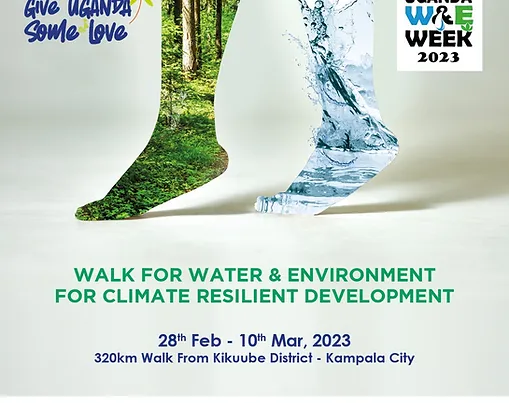
Climate change has long demanded more than just generic environmental warnings; it demands localized, urgent behavioral shifts. A while back, the Rotary Club of Kampala Central recognized this exact need and approached the African Society for Social and Behavior Change (AS-SBC) with a vital challenge: design a comprehensive, 360-degree Social and Behavior Change (SBC) campaign to actively combat the escalating climate crisis.
What followed was a powerful demonstration of collaborative expertise. MAADMcCANN, working alongside the wider AS-SBC membership, joined forces with Rotary to co-create and deploy a bold, emotionally resonant campaign: “Make Love to Uganda.”
As we look back at this initiative, it stands as a brilliant case study in using behavioral science to drive civic environmentalism.
The Strategy: Moving Beyond Awareness to Action
Traditional environmental initiatives often stall because they focus solely on awareness—telling people why climate change is happening. As SBC practitioners, we know that knowledge alone rarely changes habits.
To bridge the gap between intent and action, the “Make Love to Uganda” campaign deployed a holistic 360-degree behavioral framework built on three core pillars:
- Emotional Rebranding: Instead of leveraging fear or climate doom, the campaign tapped into deep-seated national pride. Taking care of the environment was reframed as a tangible act of patriotism and love for the country.
- Friction Reduction: The strategy identified specific psychological and structural barriers preventing people from adopting sustainable practices, making green alternatives easier and more socially rewarding.
- Omnichannel Saturation: By surrounding target audiences with consistent messaging—blending mass creative media designed by MAADMcCANN with the trusted, grassroots community mobilization of Rotary—the campaign normalized eco-friendly behaviors across multiple everyday touchpoints.
A Blueprint for Co-Creation
The success of “Make Love to Uganda” reflects the very core of AS-SBC’s mission: uniting diverse communication experts, agencies, and civic organizations to solve complex social challenges.
By pairing the local trust and mobilizing power of the Rotary Club of Kampala Central with the strategic, evidence-based creativity of MAADMcCANN and our broader membership, this partnership created a replicable blueprint for future climate interventions across the continent.
Key Takeaway: Complex environmental challenges cannot be solved in silos. The most sustainable impact happens when behavioral theory meets world-class creative execution at the community level.